Did you know that the average person spends about 26.1 minutes commuting to work one way? That adds up to over 200 hours a year sitting in a vehicle. During those long hours, the eyes of potential customers are constantly searching for landmarks, services, and places to eat. If your restaurant location is set back from the street or hidden behind a row of trees, you are effectively invisible to thousands of daily travelers. Are you tired of watching your local competition get all the traffic simply because they have a brighter, taller presence? In the fast-paced world of dining, your sign is not just a decoration; it is your silent maître d’ working tirelessly around the clock.
The numbers back this up with startling clarity. Research shows that 76% of diners have entered a new restaurant they had never visited before solely because a sign caught their eye. Even more critical is the fact that nearly 68% of people believe a business’s signage is a direct reflection of the quality of its products and services. If your sign is broken, outdated, or hard to read, guests assume your food and hygiene follow the same standards. This 5,000-word guide serves as your complete roadmap to physical marketing excellence. We will cover the 10 essential types of signs every restaurant needs, the advanced engineering of highway pylon structures, and how to work with global producers like the Custom Signage Factory to get the best value for your investment.
Table of Contents
1. The 10 Essential Signs Every Modern Restaurant Needs
Restaurant signage is a multi-layered system that includes exterior identification, sidewalk engagement tools, digital menu boards, wayfinding icons, and mandatory safety notices to guide guests from the road to their table.
Success in the food industry requires covering all your visual bases. You cannot rely on a single banner to do the job of a complete brand identity. Instead, you need a coordinated family of signs that speak to different groups of people—some driving at high speed, others walking slowly on the sidewalk. Let’s explore the essential mix for a successful brand.
1. Exterior Facade and Freestanding Signage
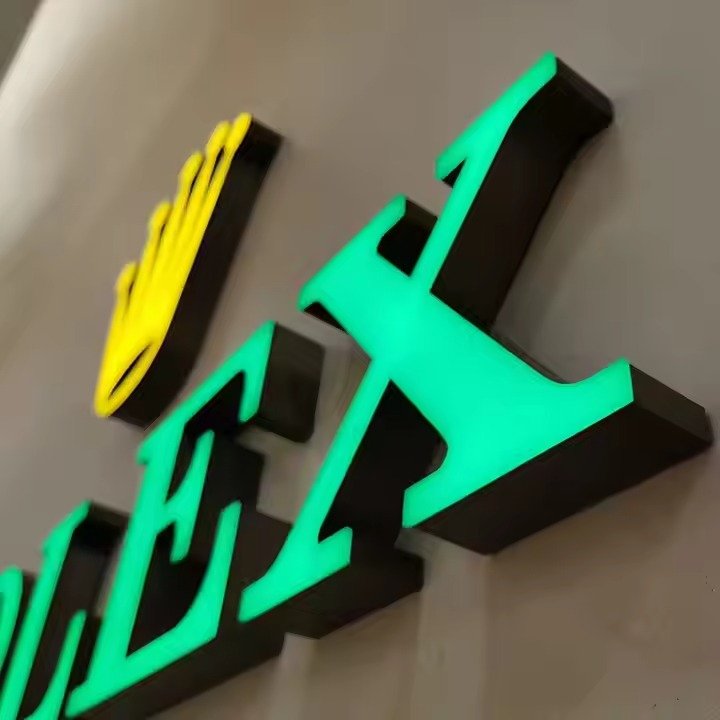
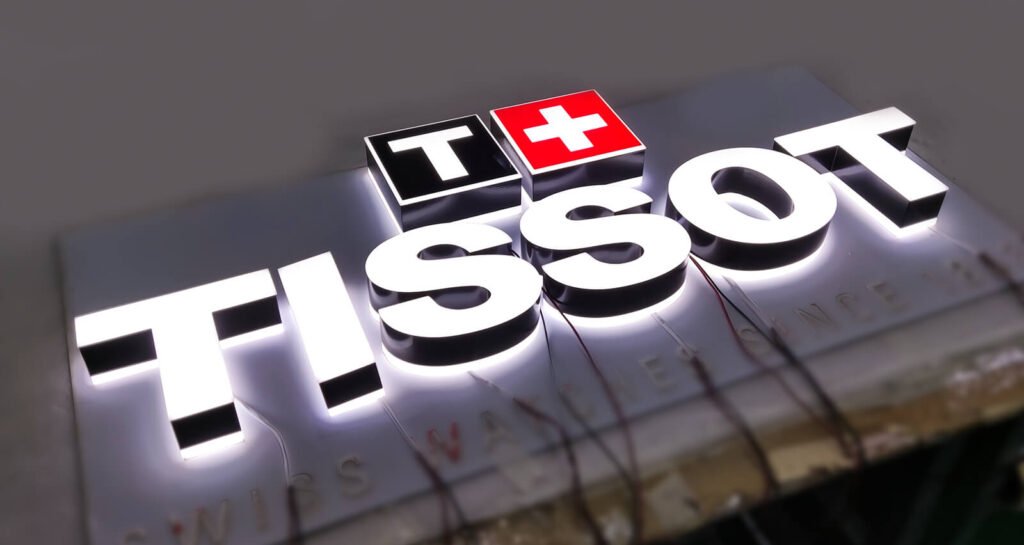
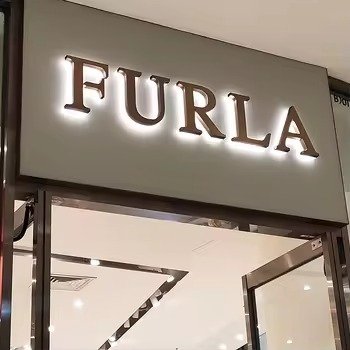
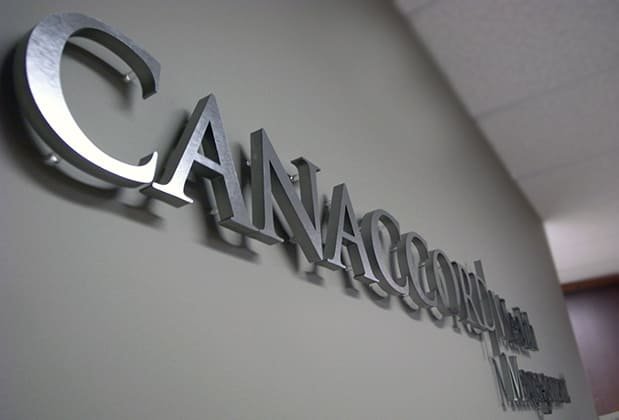
Your main exterior sign is your primary calling card. It defines your presence in the community. Channel Letters are the most popular choice for modern brands because they offer a bold, 3D appearance that is highly visible both day and night. For restaurants set far back from the road, a Monument Sign at the entrance or a Pylon Sign high in the sky acts as a beacon, guiding travelers safely to your door. At the Custom Signage Factory, we specialize in high-durability aluminum skins that prevent rust and maintain a clean, high-end look for decades.
2. High-Impact Window Graphics
Your windows are valuable real estate that you already own. Why leave them empty? Vinyl window graphics allow you to share your story, show off your logo, or promote seasonal specials. Perforated window film is especially effective; it allows you to show a full-color promotional image on the outside while letting your guests inside enjoy the natural light and see out clearly.
3. The “Sidewalk Wingman”: A-Frame Signs
For restaurants in walkable urban areas, an A-frame sign is your best friend. These portable sandwich boards sit directly in the pedestrian path, making them perfect for promoting daily lunch deals or happy hour specials. If you can make a passerby smile with a witty quote, you have a much higher chance of converting them into a diner.
4. Interactive Digital Menu Boards
Dynamic content sells more food. Digital menu boards allow you to switch instantly between breakfast, lunch, and dinner. They engage the brain with movement—think of a video showing steam rising from a bowl of pasta. This movement increases the “visual hunger” of your customers, leading to a 25% increase in high-margin item sales.
5. Wayfinding and Directional Signage
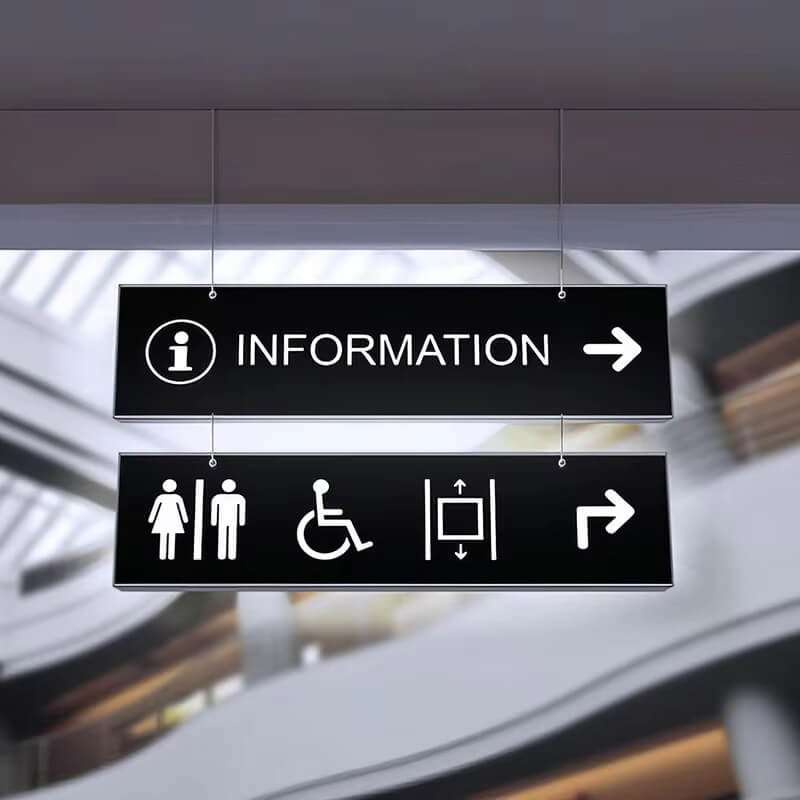
A frustrated guest is a guest who won’t come back. Clear signs pointing to the bar, restrooms, and the “Wait to be Seated” stand are crucial. Good wayfinding reduces customer friction and makes your restaurant feel well-organized and professional. This also helps your staff move more efficiently during peak hours.
6. Point-of-Sale (P.O.S) Table Tents and Wobblers
The sale doesn’t stop once the customer sits down. Use small, high-quality placards on tables to suggest a signature dessert or a local craft beer. Shelf talkers and wobblers near the counter can also push impulse buys while a customer is waiting for their takeout order.
7. Safety and Accessibility (ADA) Compliance
This is where the law meets your brand. Every restaurant must have clear fire exit signs and wet floor markers. More importantly, ADA-compliant signs with high contrast and Braille are mandatory for permanent spaces like restrooms. These signs ensure your brand is inclusive and welcoming to all members of the community.
8. Grand Opening Flags and Banners
If you are new to the area, you need to be loud. Large vinyl banners and colorful teardrop flags create a festive atmosphere. They signal to the neighborhood that something exciting is happening. These are cost-effective tools for short-term, high-impact marketing.
9. Atmospheric Wall Murals and Art
Interior branding is about creating a “vibe.” A large wall mural can tell the story of your ingredients or your chef’s journey. 91% of restaurant-goers say that atmosphere is a deciding factor in their loyalty. Custom art displays turn a dining room into an Instagrammable destination.
10. Mandatory Health and Legal Postings
From allergen warnings to labor law posters, these aren’t always pretty, but they are required. At the Custom Signage Factory, we help our clients integrate these mandatory notices into custom-branded frames or acrylic pockets so they don’t ruin your interior design while keeping you compliant with health department rules.
2. Pylon Signs: The Towering Beacons of High-Speed Branding
Pylon signs provide maximum visibility for businesses located along highways or set back from main roads, utilizing massive structural engineering and high-intensity LED technology to capture attention from great distances.
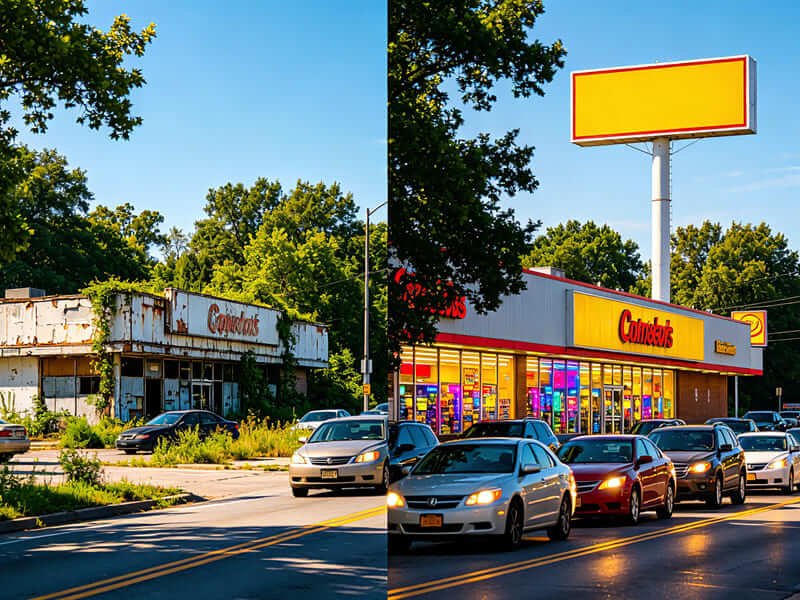
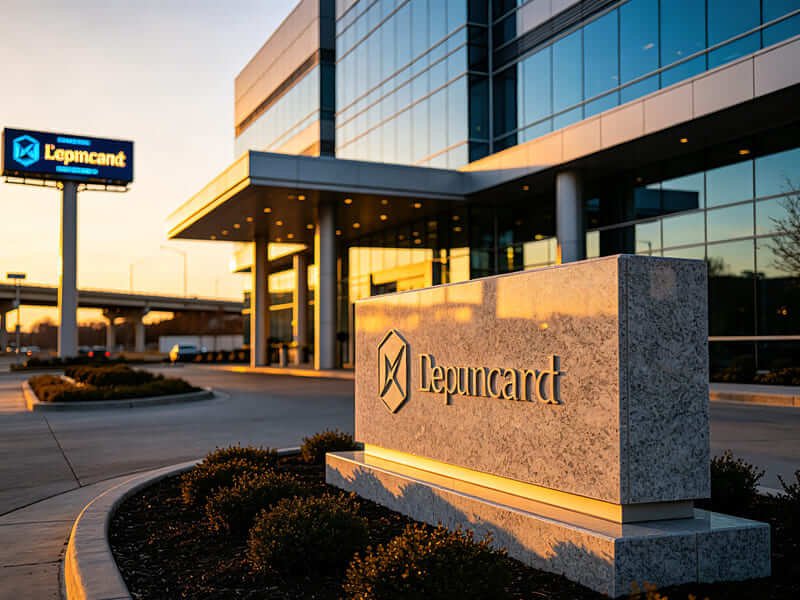
If your restaurant is located near an interstate or a major high-speed intersection, standard storefront signs are not enough. You need height. Pylon Signs are freestanding structures supported by one or two tall poles. These are the “heavy hitters” of the physical marketing world, rising as high as 80 feet or more to bypass the visual clutter of trees, overpasses, and competing buildings.
Calculating the “Decision Distance”
When a driver is moving at 60 mph, they travel about 88 feet every single second. To see a sign, read the name, decide they want your food, and signal for the exit, they need at least 10 seconds of reaction time. A ground-level monument sign only gives them about 1 second. A tall pylon sign gives them the extra 9 seconds they need to safely navigate to your entrance. This is the primary reason why highway-adjacent businesses with pylon signs see a massive ROI through increased drive-thru traffic.
The Taxonomy of High-Reach Structures
At the Custom Signage Factory, we offer three main types of pylon mounting to suit different budgets and locations:
- Single-Pole Mount: The classic “lollipop” design. It is economical and sleek, often used for single-brand fast-food locations or gas stations.
- Twin-Pole Mount: Provides much greater stability and rigidity for larger sign cabinets. This is the best choice for high-wind areas or when the sign face is exceptionally wide.
- Covered-Pole (Monolithic): The structural steel is encased in a decorative “skirt” made of aluminum, brick, or stone. This turns the sign into a solid-looking tower that matches your building’s architecture and feels like a permanent landmark.
Structural Engineering for Extreme Weather
A pylon sign is essentially a giant sail. When high winds hit it, they generate thousands of pounds of pressure on the base. Our engineering team performs precise calculations for your specific wind zone—often up to 150 km/h. We use hot-dip galvanized steel for the internal framework to prevent internal rust. In colder regions, we design reinforced concrete foundations that go deep below the frost line to prevent the sign from leaning or cracking due to ground movement during winter freeze-thaw cycles.
3. Designing for Appetite: The Psychology of Visibility
Effective sign design relies on a balance of white space, color psychology, and bold typography to ensure messages are processed by the brain in under three seconds.
Designing a restaurant sign is not just about what looks “pretty”; it is about hacking the human brain to trigger a response. Most customers do not “read” your sign; they scan it while doing three other things. If your design is too complex, the brain filters it out as “visual noise.” To win the attention battle, you must master the three pillars of visibility science.
The 30-40% Rule: The Power of White Space
One of the biggest mistakes restaurant owners make is trying to put too much information on one sign. A sign needs to breathe. According to experts at the Custom Signage Factory, at least 30% to 40% of your sign face should be “white space” (empty space with no text or graphics). This empty space acts as a visual frame, allowing the viewer’s eye to lock onto the most important part: your name and your logo. If you crowd the sign with slogans, websites, and phone numbers, the brain will simply ignore the entire message.
Color Psychology: The Hunger Impulse
Color influences nearly 85% of buyer decisions. In the food world, Red is the undisputed king. It is scientifically proven to increase heart rates and stimulate appetite. Yellow creates a feeling of warmth and friendliness. This is why you see red and yellow in almost every major fast-food logo. However, for readability, Contrast is more important than the specific color. White text on a dark blue background usually looks larger and is easier to read at night. Avoid “vibrating” color combinations—like blue text on a green background—which actually cause physical strain on the eye and make people look away.
The Legibility Index: Sizing for the Speed Limit
How big should your letters be? This isn’t a guess; it’s math. A professional rule of thumb is that for every 10 feet of viewing distance, you need 1 inch of letter height. But that is for ideal conditions. For high-speed roads, we follow the scale below to ensure safe reaction time.
| Traffic Speed (MPH) | Required Viewing Distance | Minimum Letter Height | Visual Impression |
|---|---|---|---|
| 25 MPH (Urban) | 150 Feet | 6 to 8 Inches | Clear and Friendly |
| 45 MPH (Arterial) | 400 Feet | 12 to 15 Inches | Bold and Authoritative |
| 65 MPH (Highway) | 800 Feet | 24 to 30 Inches | Primary Landmark |
| 75 MPH (Interstate) | 1,000+ Feet | 36 to 48+ Inches | Beacon Status |
4. Digital Signage vs. Traditional Menu Boards: The ROI Battle
Digital menu boards offer instant updates and day-parting flexibility that can increase high-margin sales by 25%, while traditional boards provide a rustic charm and tactile credibility for certain brand identities.
When choosing your interior and drive-thru signage, you face a major crossroad: the sleek, high-tech world of Electronic Message Centers (EMCs) or the timeless charm of traditional panels. Both have a place, but the right choice depends on your business model and your budget.
The Modern Edge of Digital Menu Boards
Digital signs are the ultimate sales multipliers. They allow for “Day-Parting”—automatically switching your breakfast menu to lunch at exactly 10:30 AM without your staff doing a thing. Studies show that digital menu boards can increase sales of high-margin items (like drinks and add-ons) by up to 25% because you can feature them with vivid, moving imagery. At the Custom Signage Factory, we specialize in high-brightness screens that stay visible even in direct sunlight and automatically dim at night to follow local “light pollution” laws.
The Authenticity of Traditional Materials
For a farm-to-table restaurant, a boutique cafe, or a rustic pub, a glowing digital screen might feel too “cold” or clinical. Traditional menu signs made from wood, aluminum, or PVC offer a tactile, trustworthy feel. They are often more affordable upfront and require zero electrical maintenance. However, they lack flexibility—if you change a price by 50 cents, you have to reprint the entire panel. For many upscale venues, a “hybrid” approach works best: a traditional wall sign for the main menu, and a digital tablet for seasonal specials.
Feature Comparison Matrix
| Strategic Feature | Digital Menu Systems | Traditional Print Boards |
|---|---|---|
| Update Speed | Instant (Remote Cloud-Based) | Slow (Reprint & Install) |
| Initial Capital Cost | Higher (Hardware + Software) | Lower (Materials + Labor) |
| Customer Attention | Very High (Due to Motion) | Moderate (Static Design) |
| Lifespan | 5 to 8 Years (Screen Life) | 10 to 15 Years (Durability) |
| Engagement | Interactive & Dynamic | Honest & Authentic |
5. Interior Branding: Crafting the Total Guest Journey
Interior branding uses wall murals, floor graphics, and tabletop engagement to create an immersive brand environment that builds customer trust and encourages social media sharing.
Once a customer steps through your doors, the job of your signage changes. It moves from “attraction” to “navigation” and “storytelling.” If your exterior sign says “Luxury” but your interior signs look cheap, you create a brand disconnect that makes guests feel uneasy. Interior branding is the visual thread that ties the entire experience together. At the Custom Signage Factory, we treat every interior as a storytelling space.
Storytelling with Wall Murals and Graphics
Don’t just paint your walls a solid color; wrap them in your brand’s personality. Large-scale wall graphics are the “magicians” of interior design. They can transform a small, plain room into an immersive experience. For example, a seafood grill can use floor graphics that mimic water to lead guests toward the patio. These elements create “Instagrammable moments”—when guests take photos of your decor and share them online, they are providing you with thousands of dollars in free word-of-mouth marketing.
Tabletop Engagement: The QR Code Revolution
In the post-pandemic dining world, QR codes on table tents have become essential. They offer a contactless way to view menus, pay bills, or join loyalty programs. But don’t just leave a boring sticker on the table. Place your QR code on a professionally designed tabletop placard that shares your brand’s story or features a “Fun Fact” about your restaurant. This small detail shows you care about the guest experience and have an eye for quality.
6. Food Merchandising 101: Maximizing Point-of-Sale (P.O.S.)
Point-of-Sale signage like shelf talkers and wobblers act as a final nudge, bridging the gap between a product and a customer’s decision to buy right at the counter.
Many restaurant owners overlook the few inches of space near their cash registers or ordering counters. This is a massive mistake. Point-of-Sale (P.O.S) signage is the final opportunity to increase your average ticket size. These are persuasive and educational messages that prompt immediate action. If a guest is already paying for a meal, a simple visual reminder of a delicious side dish or a premium beverage can easily convert a “no” into a “yes.”
A Buffet of P.O.S. Options
At the Custom Signage Factory, we produce specialized merchandising tools for every scenario:
- Shelf Signage: Shelf Talkers highlight the features of a specific item (like “Gluten-Free” or “Local Honey”). Wobblers and Danglers use slight air movement to catch the eye as people wait in line.
- Countertop Displays: Counter Mats are perfect for showing maps of your other locations or explaining your loyalty program while the customer waits for their credit card to process.
- Product-Specific Branding: Bottle Neckers on premium wines or Sell Sheets for catering services provide the depth of information that a regular menu can’t.
“A sign is a salesperson that never gets tired, never asks for a raise, and never forgets to mention the special of the day.”
7. The 4-Step Professional Signage Design Roadmap
Professional signage results from a rigorous process involving research, conceptual drafting, collaborative reviews, and technical finalization to ensure brand consistency and local compliance.
Crafting a sign that actually makes money is an intricate journey. You should never settle for the first option offered by a generic print shop. At the Custom Signage Factory, we follow a strict four-step workflow that balances creativity with engineering. If you are sourcing signs for your business, ensure your provider follows these milestones.
Step 1: Deep Research and Discovery
We don’t start with colors; we start with the “Why.” Who is your audience? Is the sign going in a historic district with strict rules? What is the speed of the traffic outside? We research the history of signs in your industry to find timeless designs that have performed well. This phase ensures your sign is built for the *real world*, not just for a computer screen.
Step 2: Drafting and Conceptualization
This is where creativity meets strategy. We sketch dozens of ideas, looking for ways to use creative shapes—like arrows or circles—to break the visual monotony of the street. We transition from hand-sketches to digital mockups, testing different typography and color palettes to ensure they align with your brand’s existing voice, whether it’s “Playful and Fun” or “Elegant and Professional.”
Step 3: Collaborative Reviews and Feedback
A sign is an investment, and you need to get it right the first time. We encourage our clients to share our digital drafts with their staff and regular customers. Fresh eyes often spot things you are “blind” to—like an awkward shadow or a word that might be misread from a car. We collate this feedback to refine and enhance the design before a single piece of metal is cut.
Step 4: Technical Finalization and Compliance
The final step is the most critical. We do a rigorous check for grammar and spelling—mistakes here destroy your brand’s authority. We also perform a technical check: is the design compatible with the chosen material? For example, can the chosen font handle the internal LED wiring required for a pylon sign? This stage guarantees that the physical product will be a perfect realization of your creative vision.
8. Powering Up: A Technical Electrical Roadmap for Success
Successful signage installation requires a clear division of labor between licensed electricians (C-10) and sign contractors (C-45), focusing on dedicated 20-amp circuits and automated astronomical timers for efficiency and code compliance.
In our experience at the Custom Signage Factory, the most frequent cause of delay in any restaurant opening is not the manufacturing of the sign—it is the lack of electrical readiness. Getting power to your sign is a two-person job that requires perfect coordination. We use the “Road vs. Vehicle” rule to explain this to our clients. Think of the electrician as the person who builds the road, and the sign installer as the person who drives the vehicle onto it. If the road isn’t built to spec, the vehicle can’t move.
The Division of Labor: C-10 vs. C-45 Licensing
Contracting licenses are very specific about who can touch which wires. A local electrician (holding a C-10 license) is responsible for running the primary power from your building’s main electrical panel to the spot where the sign will stand. This involves trenching through the parking lot and laying conduit. The Custom Signage Factory and our certified partners (holding a C-45 license) are responsible for the sign itself. Once the electrician leaves a “Junction Box” within five feet of the sign, we take over to make the final connection. It is vital to connect these two teams early in the planning process.
Exact Specs Your Electrician Needs to Know
To avoid flickering lights or blown fuses, your electrical setup must be precise. Please provide your contractor with these requirements:
- Dedicated 20-Amp Circuit: Your sign must have its own circuit. If you share power with your outdoor irrigation pump or the indoor soda machine, you will experience power surges that can destroy the sign’s sensitive LED transformers.
- Standard 120V Power: Most modern LED signs are designed for a standard 120V line. We handle the conversion to 12V or 24V inside the sign cabinet.
- Astronomical Timers: This is a non-negotiable for modern energy codes like California’s Title 24. These smart devices use your GPS coordinates to know exactly when the sun rises and sets every day. This ensures your sign is never wasting energy during the day and is always bright the moment dusk hits.
9. Navigating the Global Legal Landscape: Permits and Safety
Signage regulations vary by region, covering size caps, height limits, and safety standards like the “Vision Clearance Triangle” to ensure public safety and aesthetic consistency.
You’ve finalized a beautiful design, but before you can install it, you must clear the legal hurdles. Every city has a Unified Development Code (UDC) or a “Sign Ordinance” that treats signs as part of the public infrastructure. If you install a sign without the proper permits, the city can force you to tear it down and pay a massive fine. At the Custom Signage Factory, we provide the technical drawings needed for these approvals.
The Critical “Vision Clearance Triangle”
Safety is the primary concern for city planners. Almost every city enforces a rule called the “Vision Triangle.” This is a 10-foot leg triangle at the corner of every intersection or driveway entrance. To ensure that drivers can see oncoming traffic, you generally cannot place any sign higher than three feet within this zone. This means your tall pylon sign must be set back behind this triangle to keep the sightlines clear. Ignoring this rule is the fastest way to have your permit denied.
Mandatory Postings by Region
Depending on your location, you may be required to display specific information that has nothing to do with your menu.
- California ABC (Liquor Control): If you sell alcohol, you must post an age warning at the point of sale. Also, no more than 33% of your windows and doors can be covered by signage to allow law enforcement to see inside for safety.
- NYC Health Department: In New York City, you must post prominent signs about recycling and bicycle safety for your delivery couriers.
- European Union (Innovorder Standards): EU law requires you to clearly list the “origin of meat” (beef, pork, poultry) and provide a clearly visible list of the 14 major allergens on your menu boards.
10. Material Science: Engineering for a 30-Year Landmark
Using industrial-grade materials like .063 gauge aluminum and Lexan Polycarbonate ensures that restaurant signage withstands weather, prevents rust, and remains resistant to vandalism for decades.
A sign is a long-term capital asset. To ensure it pays for itself, it must be built with the right materials. At the Custom Signage Factory, we don’t use standard “craft” materials. We use industrial-grade components designed for extreme environments. If your restaurant is in a coastal area like Florida or Sydney, or a high-wind area like Texas, these details are non-negotiable.
Aluminum vs. Steel: The Skeleton and the Skin
We utilize .063 gauge #3003 H-14 aluminum for our sign panels. Unlike standard “paint-grip” steel, aluminum is naturally rust-proof. If a bird scratches the paint or a branch hits the sign, the metal underneath will not turn into a brown rusty mess. However, for the internal frame, we use structural steel because of its strength. To prevent “internal bleeding” (where rust from the inside stains the outside), we paint our steel frames with epoxy primers before the aluminum skins are attached. This dual-material approach creates a sign that is both lightweight and hurricane-resistant.
The “Unbreakable” Face: Lexan vs. Acrylic
Most budget sign shops use standard acrylic for the sign face. Acrylic looks clear, but it is brittle. If a rock is kicked up by a lawnmower, an acrylic sign will shatter. We recommend Lexan Polycarbonate. Lexan is 30 times stronger than acrylic and is essentially “vandal-proof.” It can absorb a massive impact without cracking. We then apply SolarGuard Clear Protection, which is a chemical layer that blocks 98% of UV rays, preventing your vibrant brand colors from fading in the sun.
| Component | Standard Specification | Why It Matters |
|---|---|---|
| Main Face | 3M™ Flexible Substrate or Lexan | Eliminates “oil-canning” and prevents wind-tear. |
| Sign Paint | Matthews Automotive Polyurethane | Mirror-finish that resists acid rain and scratches. |
| Fasteners | Hot-Dip Galvanized or Stainless Steel | Prevents ugly rust streaks on your building’s wall. |
| LED Modules | High-Lumen, IP67 Waterproof | Operates perfectly in rain, snow, and extreme humidity. |
11. The Global Factory Roadmap: Sourcing Excellence Directly
Factory sourcing utilizes modular assembly and “knock-down” packaging to fit oversized signage into standard containers, reducing global shipping costs by 40% while maintaining precision.
Buying a 40-foot pylon sign from across the ocean can be intimidating. However, at the Custom Signage Factory, we have turned international logistics into a science. By using a Modular Sourcing strategy, we allow you to get the quality of a world-class factory without the massive shipping bills of traditional structures.
The “Knock-Down” Packaging Method
A fully-welded 30-foot sign is almost impossible to ship in a standard container. Instead, we manufacture signs in “sections”—the foundation anchor bolts, the structural pole sections, the sign cabinet, and the illuminated faces. This “knock-down” approach allows us to pack the sign tightly into a 20-foot or 40-foot container. We use export-grade reinforced wooden crates with internal foam bracing to ensure your sign survives the journey across the sea without a single scratch.
The 48-Hour LED Burn-In Test
Quality control is the heart of our factory. Before any crate is sealed, we perform the “Burn-In.” The sign is fully assembled and turned on for 48 hours straight. We check for “hot spots” (uneven lighting) and verify that every transformer is running cool. We also perform a Cross-hatch Adhesion Test on the paint: we score the surface with a razor and use industrial tape to try and pull the paint off. If it doesn’t move, it is ready for the world.
12. Measuring Your Success: Budgeting and Signage ROI
High-quality signage is a one-time capital investment that generates a continuous return; 60% of businesses report an average 10% sales increase immediately following a sign upgrade.
Every dollar you spend on your restaurant’s sign should be viewed as an investment in Customer Acquisition. According to a survey by the University of Cincinnati, sign changes have a significant positive impact on sales, transaction volume, and profits. If you spend $10,000 on a sign and it brings in just one extra table per night, it will pay for itself in less than a year. But how do you choose the right tier for your budget?
Strategic Investment Tiers
- Tier 1: High-Impact Beacons ($20k – $100k+): Large pylon signs and digital LED message boards. These are essential for highway locations where you are competing with big national brands. They offer the highest “Cost Per Thousand” (CPM) efficiency because they are seen by tens of thousands of drivers daily.
- Tier 2: Brand Identity Anchors ($5k – $15k): Custom channel letters and monument signs. These are the workhorses of urban and suburban dining. They build the “trust” and “quality assumptions” that lead to long-term loyalty.
- Tier 3: Agile Engagement Tools ($500 – $2k): A-frame signs, window graphics, and vinyl banners. Perfect for promoting a specific deal or a seasonal menu. These are the tools you update most frequently to keep your brand fresh.
“A sign is the only marketing tool you pay for once that works for you 24 hours a day, 7 days a week, for 20 years.” — Industry Marketing Study.
13. Protecting Your Physical Asset: Professional Maintenance
Regular maintenance, including annual mild-soap cleaning and LED retrofitting, protects the UV-protective clear coat and saves up to 80% on long-term energy costs compared to traditional lighting.
A dirty, faded, or flickering sign sends a message of neglect. It tells customers that if you don’t care about your sign, you might not care about the cleanliness of your kitchen. Maintaining your sign is not just about looks; it is about protecting your reputation. At the Custom Signage Factory, we recommend a simple annual maintenance cycle.
The Annual Cleaning Protocol
Use a soft microfiber cloth and a solution of warm water with a neutral detergent (like Dawn dish soap). Never use a high-pressure power washer, as the force can strip the UV-protective clear coat off the paint. Gently wash away the road salt, dust, and bird droppings. This single act can extend the life of your paint job by an extra five to seven years. During this cleaning, you should also have a technician check the drainage holes at the bottom of the sign to make sure they aren’t clogged by insect nests.
The LED Retrofit: Saving Your Old Landmark
If you have an existing sign that uses flickering fluorescent tubes, you don’t need to buy a whole new sign. We can perform an LED Retrofit. We remove the old, heavy ballast and glass tubes and replace them with energy-efficient LED modules. This saves you up to 80% on your monthly electric bill and eliminates the need for expensive “bucket-truck” visits every time a bulb burns out. It’s a win for your budget and the environment.
14. Strategic Comparison: Which Structure is Right for Your Site?
Choosing the correct sign structure depends on balancing traffic speed, viewing distance, and local zoning restrictions to maximize visual impact.
| Sign Category | Ideal Traffic Speed | Visibility Range | Key Strategic Benefit |
|---|---|---|---|
| Pylon Sign | 45 – 75+ MPH | 1,000+ Feet | Dominates the horizon; clears obstacles like overpasses. |
| Monument Sign | 0 – 35 MPH | 100 – 200 Feet | Eye-level engagement; blends with architecture/landscape. |
| Channel Letters | 0 – 45 MPH | 300 – 500 Feet | Primary brand identification on the building facade. |
| Blade Sign | Pedestrian Speed | 50 – 100 Feet | Captures foot traffic walking parallel to the building. |
| EMC (Digital) | Variable | High Impact | Allows for real-time promotion and day-parting updates. |
15. Specialized Signage Solutions by Restaurant Type
Different dining sectors require tailored signage strategies, from high-brightness fuel displays for gas stations to immersive wall graphics for fine-dining ambiance.
🍔 Fast Food & Quick Service (QSR)
QSRs live and die by the drive-thru. We engineer bold, illuminated pylons and high-speed digital menu boards that reduce “order stress” and speed up vehicle flow.
⛽ Gas Stations & Forecourts
Visibility is about fuel prices. Our gas station pylons feature high-Nit LED digits that are visible even in direct Alabama sun, synchronized with your indoor POS.
☕ Cafes, Bakeries & Bistros
Neighborhood spots need charm. We craft hand-written chalkboard looks, rustic wooden blade signs, and window graphics that build local community trust.
🏥 Healthcare & Campus Dining
In large hospitals, navigation is key. We provide compliant wayfinding systems that guide patients and staff from the parking garage to the cafeteria with ease.
🏨 Hotel & Resort Restaurants
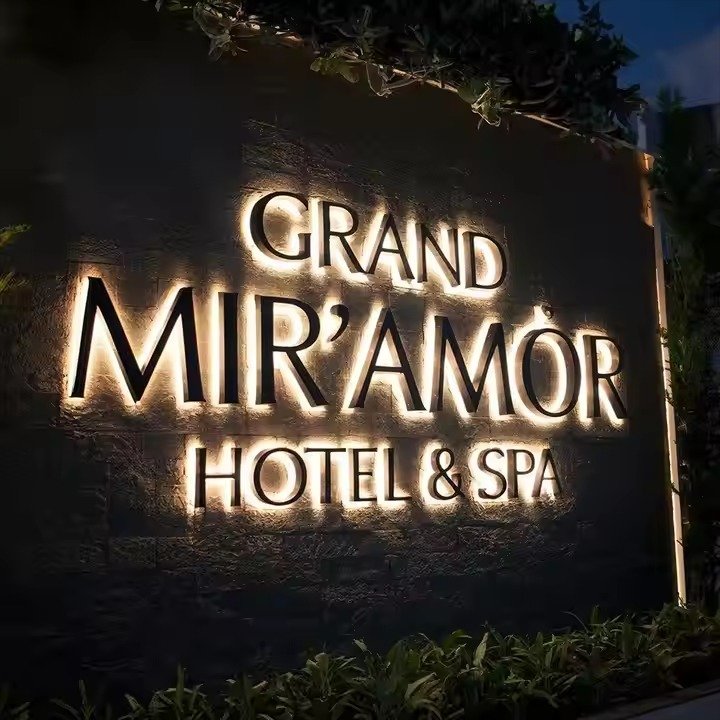
Luxury travelers seek safety and elegance. We provide sophisticated monument signs with “halo-lighting” that creates a prestigious first impression.
🚚 Food Trucks & Mobile Units
Mobile branding must be 360 degrees. We provide full-vehicle wraps and lightweight, high-impact A-frames that withstand the vibration of constant travel.
People Also Ask: Strategic Restaurant Signage FAQ
1. How much does a professional restaurant sign actually cost?
Prices are strictly project-based. A sidewalk A-frame might cost $500, while a custom 30-foot illuminated pylon for a franchise can range from $15,000 to $50,000. It is best to view this as a marketing investment with a 20-year lifespan.
2. Do I need a Professional Engineer (PE) to sign my plans?
In most cities, any freestanding sign taller than eight feet must have plans signed and sealed by a Professional Engineer. This ensures the sign won’t fall during high winds or ground movement.
3. How long does the entire process take from quote to installation?
A typical project takes 8 to 12 weeks. Most of this time is actually spent waiting for city permits and performing structural reviews. The actual factory fabrication usually takes about 3 to 4 weeks.
4. Can I change the prices on my sign without re-building it?
With digital menu boards or Electronic Message Centers (EMCs), yes. You can update prices instantly from your laptop. For traditional signs, we build them with modular tracks so you can slide out a small panel and replace it.
5. What is the “33% Rule” in California for restaurant windows?
California law states that no more than 33% of your glass windows and doors can be covered by signage. This allows police to see inside the restaurant in case of an emergency and is a vital safety compliance step.
6. Why are most restaurant signs red or yellow?
This is “Hunger Psychology.” Red is proven to increase the heart rate and appetite, while yellow creates feelings of happiness and urgency. These colors are the most effective at driving impulse food stops.
7. What is an Astronomical Timer, and do I need one?
Yes, they are often required by energy codes like Title 24. These timers use your specific GPS location to know when the sun sets and rises, automatically turning your sign on at dusk and off at dawn without you ever touching it.
8. What is the best material to prevent my sign from turning yellow?
You should choose Lexan Polycarbonate with a SolarGuard UV coating. Standard plastics turn yellow and brittle in the sun, but Lexan with UV inhibitors stays clear and strong for 15+ years.
9. How do multi-tenant panels work for a shopping plaza restaurant?
We build the pylon with individual “lightbox” sections. When a new restaurant moves in, you simply replace the one acrylic panel for that specific tenant. It is a cost-effective way to share a landmark sign with other businesses.
10. Can I get high-quality signs shipped internationally from China?
Absolutely. At the Custom Signage Factory, we use modular “knock-down” designs that fit into standard containers. We provide full assembly guides and foundation templates for your local installers.
Conclusion: Turning Your Visibility into a Long-Term Business Asset
Throughout this exhaustive guide, we have explored the intricate relationship between sight and success. A restaurant without effective signage is like a meal without salt—it’s technically functional, but it won’t satisfy your guests or fulfill its true potential. By mastering the 30-40% rule of design, investing in high-grade materials like Lexan and galvanized steel, and preparing your site with professional electrical standards, you transform your restaurant into a neighborhood beacon. Your sign is more than a piece of metal and light; it is a promise of quality and consistency to every traveler who passes by.
In a world dominated by digital noise, the physical world still matters. A soaring pylon sign or a vibrant set of window graphics works for you 24 hours a day, through every storm and every season. When you partner with a specialized manufacturer like the Custom Signage Factory, you gain the expertise of engineers and designers who understand that your brand’s reputation is our primary product. Let’s make sure that the first thing your customers see is the best thing they have seen all day。