1. What is Fiberglass Sculpture? The Technical Anatomy of FRP
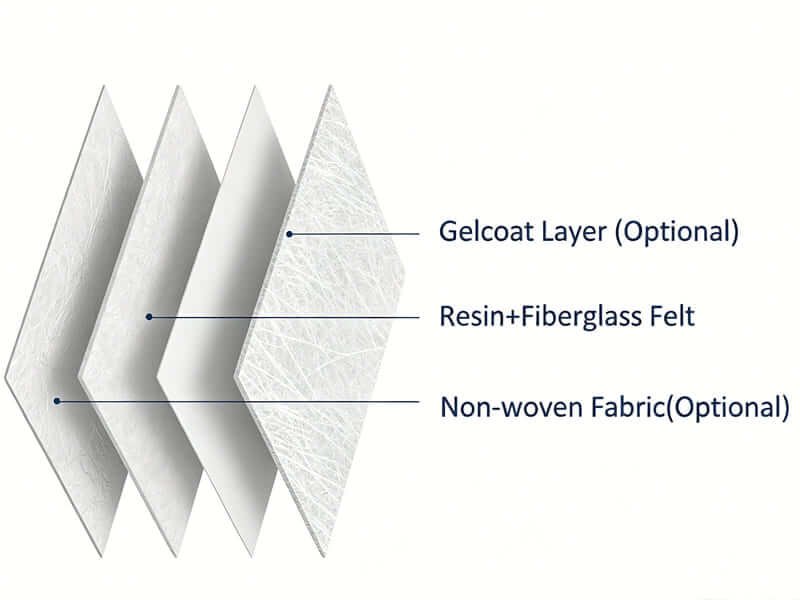
To truly master the sourcing of these art pieces, one must understand that a fiberglass sculpture is not a singular “plastic” object. It is a complex, layered “sandwich” of two primary components: the skeleton and the matrix. These two work in a symbiotic relationship similar to rebar and concrete. The skeleton, made of glass fibers (typically 30% to 50% of the weight), provides the tensile strength. The matrix, consisting of synthetic resin (50% to 70%), acts as the binder that holds the fibers in place, transmits physical stress, and protects the structure from chemical and environmental erosion.
The Skeleton: Glass Fiber Reinforcement
In the factory setting, glass fibers are used in several forms depending on the structural needs of the art piece. Chopped Strand Mat (CSM) is used for general shaping and bulk, providing multi-directional strength. For sculptures that require extreme rigidity—such as cantilevered arms or leaping animal figures—Woven Roving or Fiberglass Cloth is layered in. This woven structure allows the sculpture to resist cracking even under high-impact forces. Unlike limestone or ceramic, which are brittle and will shatter, fiberglass has a degree of flexibility that allows it to absorb energy without structural failure.
The Matrix: Resin and Chemical Systems
The type of resin used determines the sculpture’s lifespan. At the Custom Signage Factory, we evaluate project environments to select the optimal binder.
- Polyester Resins: The industry standard for indoor and general-purpose outdoor decor. It is cost-effective and cures into a very hard surface.
- Epoxy Resins: Higher performance, used for high-end luxury art. Epoxy has superior adhesion properties and can withstand temperatures ranging from -40°C to 120°C, making it essential for sculptures in extreme climates.
- Vinyl Ester: Often chosen for water park attractions or coastal installations, as it offers the best resistance to moisture and salt-water corrosion.
Small amounts of curing agents, accelerators, and UV-absorbers are also added during the mixing phase. This ensures that the material doesn’t just “dry,” but undergoes a molecular-level transformation into a permanent solid.
Specialized Formulations: The Masson Advantage
For large-scale public art, some manufacturers use specialized formulations like “Masson.” This is a high-density fiberglass blend designed to mimic the weight and “thud” of stone while retaining the lightweight benefits of FRP. It is more resistant to environmental stress and provides a sophisticated finish that is often used in commemorative statues or historical replicas where the “cheap plastic look” must be avoided at all costs.
2. Why Choose Fiberglass? The Ultimate Material Comparison
When planning a major installation, the material choice is the single biggest factor in the total cost of ownership (TCO). Many buyers believe that bronze is the only way to achieve a “luxury” look, but modern finishing techniques have made fiberglass virtually indistinguishable from cast metal from a viewing distance of just six feet. Let’s analyze why Custom Signage Factory experts steer professional buyers toward GRP for almost all commercial and large-scale residential applications.
Weight and Installation Logistics
A primary pain point for property managers is the “load-bearing capacity” of rooftops and interior floors. A life-size rhinoceros sculpture in bronze can weigh over 1,500 lbs (680 kg), requiring structural reinforcement of the floor and a specialized crane team for installation. That same rhino in fiberglass weighs only 200 lbs (90 kg). This 80-90% weight saving allows for:
- Suspended Installations: Hanging art from atrium ceilings that would be impossible with stone.
- Rooftop Gardens: Adding massive artistic statements to terraces without risking structural collapse.
- Cruise Ships and Mobile Tours: Creating traveling exhibits that don’t increase fuel costs or require heavy equipment.
Durability and Environmental Soundness
A landmark 2023 durability study found that after 15 years of continuous outdoor exposure, high-quality fiberglass remains 92% structurally sound. In contrast, limestone often degrades to 68% due to “freeze-thaw” damage, where water enters pores, freezes, and causes the stone to crack. Bronze, while durable, will patina and turn green or black over time, which may not fit the brand colors of a modern corporation. Fiberglass resists rust, rot, and corrosion, and its UV-stable coatings prevent the yellowing seen in cheaper plastics.
| Criterion | Fiberglass (GRP) | Cast Bronze | Natural Marble |
|---|---|---|---|
| Weight Per Cubic Foot | Low (90-110 lbs) | Extremely High (500+ lbs) | High (160+ lbs) |
| Resistance to Cracking | High (Impact resilient) | Excellent | Low (Brittle) |
| Initial Cost Reduction | 40% – 60% Savings | Baseline High | Variable but High |
| Maintenance Frequency | Every 3-5 Years | Every 12 Months | Variable / Erosion prone |
| Color Freedom | Infinite (Automotive) | Limited to Patina | Natural Veins only |
Cost-Effectiveness and ROI
Fiberglass sculptures offer an immediate 40-60% reduction in initial investment. Because the material is formed in a mold, once the “Master Model” is built, additional copies of the same art piece can be produced at a significantly lower cost. For hotel chains or retail franchises that need the same mascot in 50 locations, fiberglass is the only financially viable solution. Furthermore, the lack of crane-hire and heavy rigging teams results in an average savings of $5,000 to $20,000 per installation event.
3. The Seven Stages of Creation: A Factory Workflow
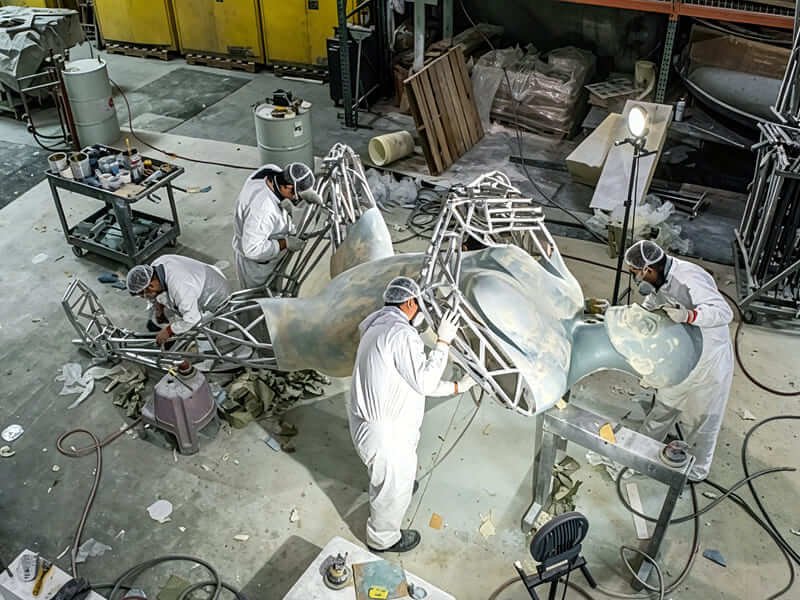
Creating a masterpiece at the Custom Signage Factory is a fusion of digital precision and artisanal craftsmanship. Unlike simple plastic molding, the production of a life-size sculpture involves rigorous engineering steps to ensure the final product is not only beautiful but safe for public interaction. Let’s walk through the seven critical phases of fabrication.
Stage 1: Digital Concept and Maquettes
The journey begins with a collaborative design phase. Using high-end CAD and 3D sculpting software (like ZBrush or Rhino), designers turn a 2D sketch into a precise digital volume. This allows us to check for structural balance and visual symmetry before a single drop of resin is poured. For large projects, we produce a “maquette”—a physical 12-inch prototype. This small model is vital for clients to verify the visual impact and proportions within their intended space. Industry data shows that utilizing digital modeling reduces production timelines by 68% by eliminating the need for manual rework during the scaling process.
Stage 2: Creating the Master Model (The Plug)
The “Plug” is the foundation of all precision. Historically, this was carved by hand from clay. Today, the Custom Signage Factory uses high-precision CNC milling or resin-based 3D printing to create the core structure. Once the core is printed, master artisans apply clay, epoxy putty, or fiberglass resin to the surface. They then refine every detail by hand—the texture of a lion’s fur, the expression on a human face, or the sharp lines of an abstract geometric form. The surface must be sanded to an ultra-fine finish because the mold will faithfully replicate every single imperfection on this model.
Stage 3: Professional Mold Construction
Choosing the right mold material is a technical decision based on the sculpture’s geometry:
- Two-Part Silicone Molds: Essential for organic shapes with “undercuts” (inward-turning curves). Silicone is flexible and can capture details as fine as 0.5mm, then be peeled off like a glove.
- FRP Rigid Molds: Used for large-scale, simpler geometric forms or when the mold needs to be reused hundreds of times for a franchise rollout.
- Plaster Molds: A traditional, low-cost option for single-use prototypes.
Before the mold is cast, a “release agent” (specialized wax or silicone spray) is applied to ensure the mold separates cleanly from the master model without damaging the surface.
Stage 4: The Layup and Internal Reinforcement
The actual sculpture is built inside the mold through a process called “Hand Layup.” First, a layer of Gelcoat is applied. This provides the smooth, hard outer shell. Once it reaches a “tacky” state, layers of fiberglass cloth are hand-applied and saturated with resin. This is a critical stage: workers must use composite rollers to remove all air bubbles. One trapped air bubble can expand in the summer sun and cause the sculpture’s surface to crack. For oversized sculptures, we also weld an internal steel armature or a base frame during this stage. This skeleton provides the structural integrity needed to support the weight of the sculpture and allows for safe mechanical anchoring to the ground.
4. Finishing Mastery: The Rigorous Sanding and Refinement Process
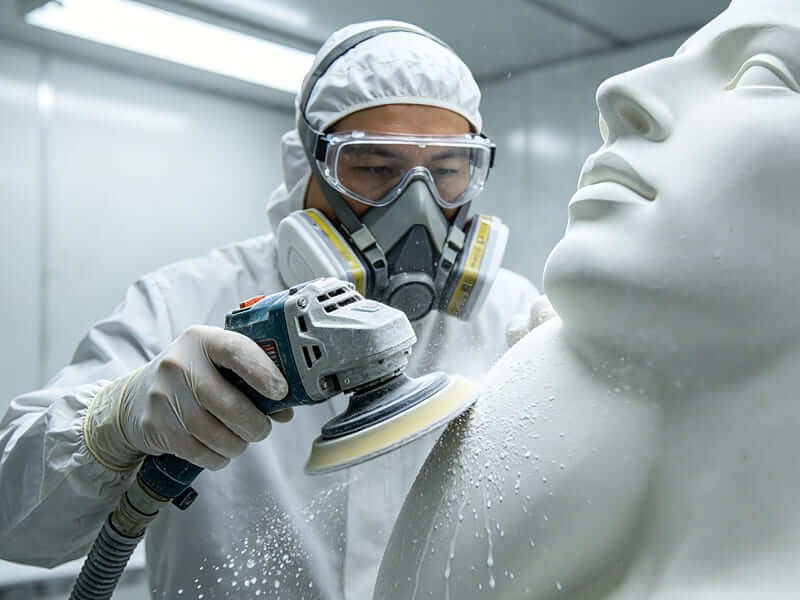
When a sculpture is first removed from its mold, it is far from being a finished masterpiece. In the industry, we call this the “rough cast” or “white body” stage. At the Custom Signage Factory, this is where the most labor-intensive work begins. While the structural layup provides the strength, the refinement stage provides the soul. Freshly demolded pieces often have “flash” (excess material at the mold seams), tiny pinholes caused by air bubbles, and a slightly textured surface from the fiberglass weave. To achieve a surface that looks like polished marble or smooth automotive metal, we follow a strict multi-stage sanding protocol.
The Science of Surface Smoothing
We don’t just pick up a piece of sandpaper and start scrubbing. The process is a careful progression from coarse to ultra-fine grits. We begin with 80-grit sandpaper to grind down the heavy mold lines and remove burrs. Once the primary shape is corrected, we use a resin-based putty filler to plug any microscopic pinholes. If even one pinhole is missed, the final paint job will have a “fisheye” defect. After the filler cures, we move through 240-grit and 400-grit stages. For sculptures intended to have a high-gloss “mirror” finish, our artisans perform “wet sanding” all the way up to 3000-grit diamond paper. At this level, the surface feels like a smooth piece of glass even before any paint is applied.
Detail Work and Rotary Grinding
For complex forms—like the intricate folds of a superhero’s cape or the fine feathers of a realistic bird—hand sanding is not enough. We use high-speed rotary grinders and hand files to sharpen edges and deepen textures. This stage requires a deep understanding of anatomy and light. Our master carvers look at the sculpture under high-intensity “raking lights” that hit the surface at a 30-degree angle. This reveals every hidden dent or shadow that wouldn’t be visible under normal office lighting. Only when the white body is 100% seamless is it allowed to move into the priming chamber.
| Sanding Stage | Grit Level | Purpose | Surface Feel |
|---|---|---|---|
| Rough Shaping | 80 – 120 Grit | Removing mold seams and heavy burrs. | Rough like dry wood. |
| Medium Leveling | 240 – 400 Grit | Smoothing the putty filler and removing scratches. | Smooth but matte. |
| Fine Polishing | 600 – 1200 Grit | Preparing for primer and base coats. | Satin and soft. |
| Mirror Finishing | 2000 – 3000 Grit | Wet sanding for high-gloss, luxury results. | Slippery like glass. |
5. The Art of Character: Advanced Painting and Mimicry
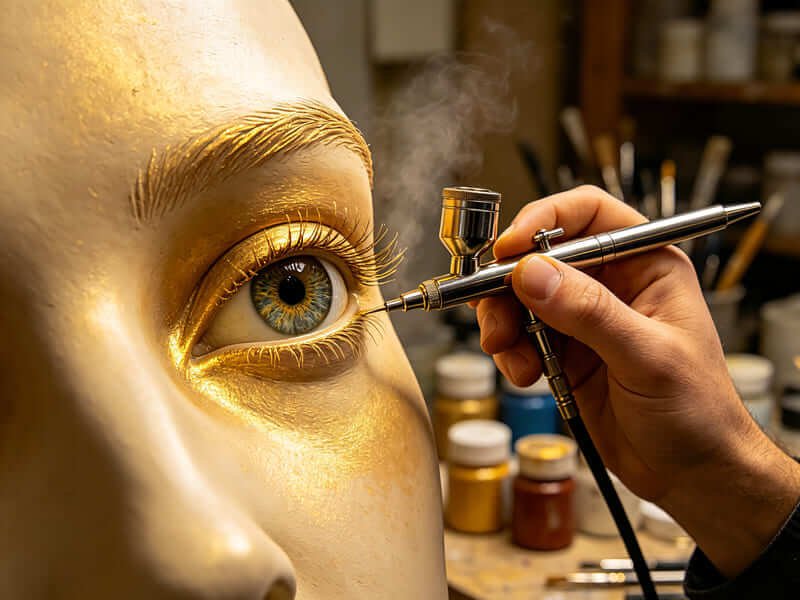
Painting is where a hollow shell truly becomes a brand ambassador or a work of art. At the Custom Signage Factory, we don’t use standard house paints. Because fiberglass doesn’t “breathe” like wood or brick, the paint must have a chemical bond with the surface. We exclusively use Automotive-Grade Polyurethane systems. These are the same paints used on Ferrari and Lamborghini cars. They are designed to withstand 100 mph winds, bird droppings, acid rain, and intense UV rays without losing their vibrancy.
The Layering Protocol
A professional paint job involves a minimum of four distinct layers:
- The Etch Primer: A white or grey acrylic primer that “bites” into the fiberglass surface to prevent future peeling.
- The Base Color: Multiple thin coats of high-pigment paint. We prefer several thin layers over one thick layer to prevent drips and maintain detail.
- The Artistic Detail: This is where hand-brushing and airbrushing come in. We add shadows in the crevices and highlights on the peaks to create a 3D effect.
- The UV Clear Coat: A final transparent armor. We use HVLP (High Volume Low Pressure) spray systems to apply an even coat that prevents the sun from yellowing the resin.
How We Create the “Metallic Lie”
One of our most popular services at the Custom Signage Factory is making fiberglass look like heavy bronze or shiny steel. This is a multi-step optical trick. For a Metallic Look, we use a “Dark Base” strategy. We first prime the sculpture in gloss black. This acts like a mirror behind the metallic flakes. We then apply metallic sprays that contain actual bits of suspended metal. To make it look “aged,” we apply a “dark wash”—a watery brown or black mix—and then wipe it off the high spots. This leaves dark “patina” in the cracks, making the sculpture look like it has been standing in a European square for 100 years. We can even use Metallic Leafing, which involves sticking thin sheets of real gold or silver onto the surface for an ultra-luxury interior look.
“The best fiberglass sculpture is one where the viewer has to touch it to believe it isn’t solid metal. That is the standard of mimicry we strive for every day.”
6. Commercial and Creative Applications: Where Art Meets Business
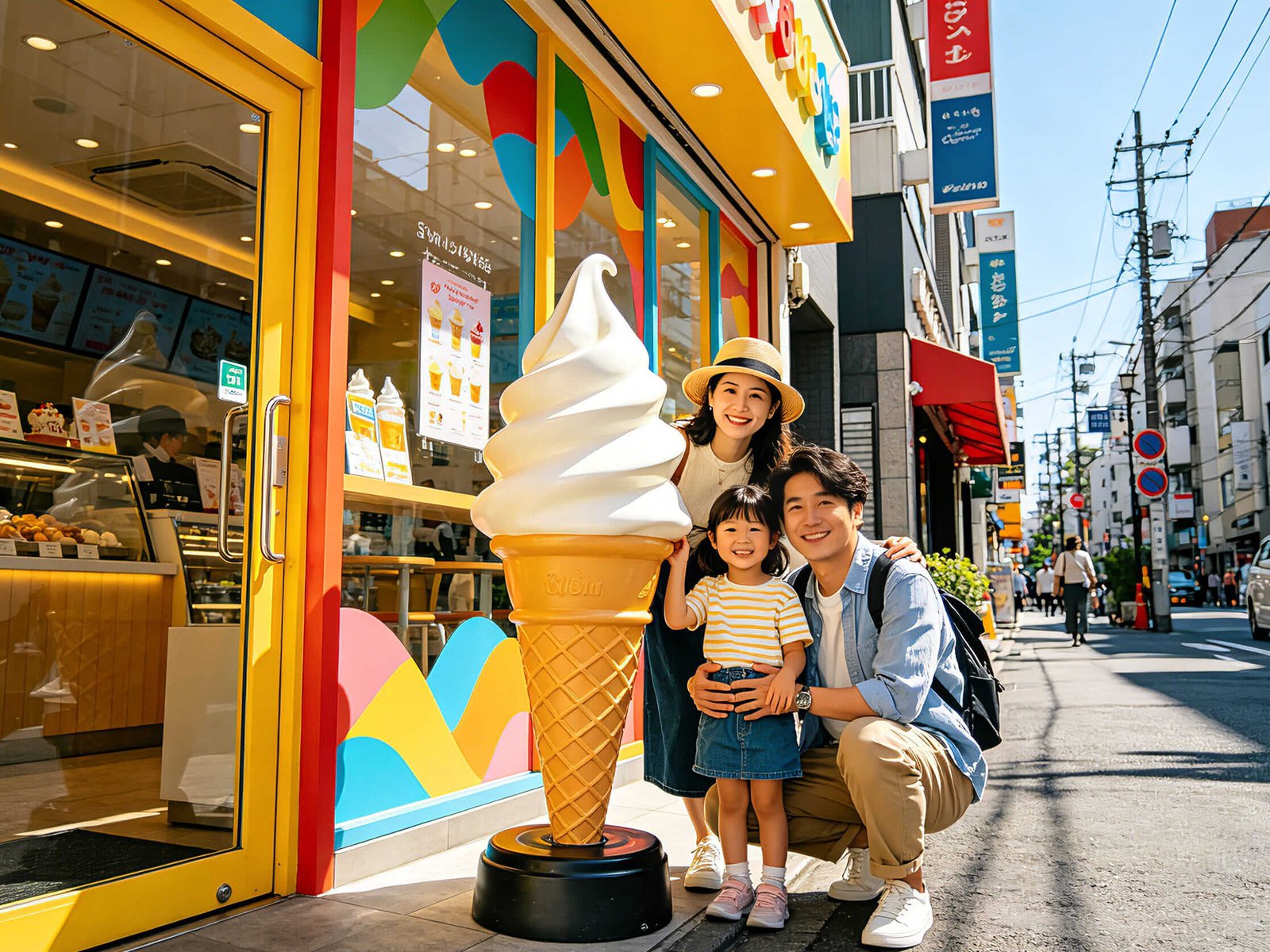
Fiberglass has moved far beyond the museum. Today, it is a vital tool for Experiential Marketing. Because it is so lightweight and durable, it can be used in ways that stone and metal simply cannot. I have seen Custom Signage Factory projects increase a store’s walk-in traffic by over 40% just by adding an “Instagrammable” focal point at the entrance. People no longer want to just look at a sign; they want to interact with a physical object.
1. Retail Branding and Giant Replicas
In a world of flat digital screens, 3D objects grab the brain’s attention. Retailers use oversized product replicas to create a sense of wonder. Imagine a 5-foot-tall tube of lipstick or a giant sneaker suspended from a ceiling. Fiberglass is the perfect medium for this because we can match the brand’s exact Pantone colors with automotive precision. For franchises, we can use the same mold to produce 100 identical mascots, ensuring that every store in the country has a consistent brand image.
2. Themed Environments: From Zoos to Water Parks
Fiberglass is the “king” of themed spaces. In water parks, it is used to create “Frog Slides” and colorful splash pads because it is the only material that won’t rust in chlorinated water. In zoos and aquariums, we create artificial rockwork and hyper-realistic animal statues that can handle thousands of children climbing on them daily. Because the material is non-porous, it is incredibly easy to sanitize, making it a favorite for children’s hospitals and public play areas.
3. Public Art and Tourism Landmarks
Cities use fiberglass to build “Photo Ops.” Whether it’s a giant set of colorful letters spelling out the city’s name or a series of decorated animal statues spread across a downtown area (like the famous Cow Parade), these sculptures become local landmarks. Because they are light, city workers can install them in a few hours without needing a construction crew. They are often bolted to stainless steel plates which are then anchored into concrete pads, providing a safe, wind-resistant display that can be moved for seasonal events.
7. Engineering for Survival: Beating Winters and Desert Heat
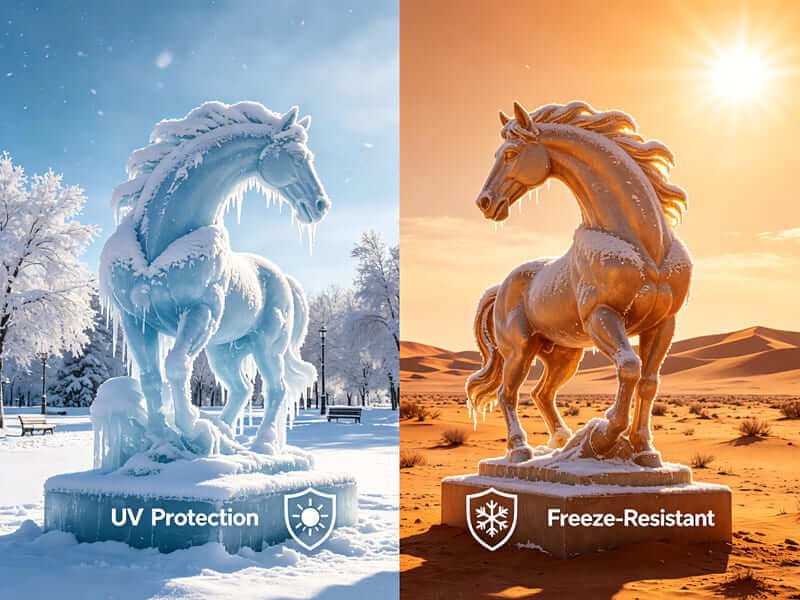
The biggest concern my clients have is: “Will it last?” A sculpture is a significant investment, and it shouldn’t look like an old toy after two years. At the Custom Signage Factory, we engineer our outdoor pieces to survive a temperature range of -30°C to 80°C. This isn’t just about the thickness of the fiberglass; it’s about the molecular chemistry of the materials we select.
The War Against Freeze-Thaw Damage
In cold climates, the most dangerous threat is water. If rain enters a tiny crack and freezes, it expands. This expansion creates a “wedge” that can split the fiberglass layers apart. We prevent this using Isophthalic Resins, which are much denser and more waterproof than standard resins. More importantly, we design every large outdoor sculpture with Hidden Weep Holes at the base. These 1/4 inch holes allow internal condensation to drain out. Without these holes, water can pool inside the hollow feet of a statue, freeze, and explode the sculpture from the inside out. This is a technical detail that cheap suppliers often skip.
The UV “Sunscreen” System
In places like Saudi Arabia, Texas, or Australia, the sun is a physical force. High UV levels break the chemical bonds in the paint, causing it to “chalk” (turn white and powdery) or fade. To prevent this, we add UV Absorbers directly into the gelcoat and the clear coat. It is exactly like giving your sculpture a permanent SPF-50 sunscreen. We also consider “Thermal Expansion.” For a 15-foot sculpture, the material can expand by several millimeters in the afternoon heat. We use internal steel armatures that have “floating” attachment points, allowing the fiberglass shell to move slightly without cracking against its own skeleton.
| Climate Threat | Technical Solution | Benefit to Owner |
|---|---|---|
| Freeze-Thaw Cycles | Isophthalic gelcoat + internal drainage holes. | Prevents internal ice expansion and cracking. |
| High UV Radiation | Automotive clear coat with UV inhibitors. | Prevents color fading and surface yellowing. |
| Coastal Salt Air | Vinyl Ester resin + stainless steel hardware. | Stops corrosion and delamination from salt. |
| High Wind Loads | Internal steel armature + concrete base anchors. | Ensures the sculpture doesn’t blow over in storms. |
8. Long-Term Preservation: The Professional Maintenance Protocol

Ownership of a world-class sculpture from the Custom Signage Factory comes with a responsibility to preserve its brilliance. While fiberglass is incredibly durable, it is not a “set it and forget it” material. If you treat your sculpture with the same care you would give a luxury yacht or a premium car, it will retain its value for decades. Neglect, however, can lead to surface dulling and environmental staining. Our data shows that regular seasonal cleanup decreases the risk of permanent staining by 60% compared to non-routine care.
The Cleaning Standard
The first rule of maintenance is simplicity. You should never use high-pressure washers or abrasive chemical cleaners. These can strip the protective UV varnish and create microscopic scratches that trap dirt. Instead, use a solution of warm water and a neutral detergent. A soft microfiber cloth or a non-abrasive sponge is perfect for dislodging dust and salt spray. For sculptures with complex textures or deep crevices, compressed air is highly effective at removing debris without touching the paint. Always dry the sculpture with a clean cloth after washing to avoid water deposits or mineral spots.
The Recoating Schedule
The clear coat is the “sunscreen” of your art. Over time, UV radiation and acid rain will slowly wear down this layer. To keep the colors vivid, we recommend re-applying a professional-grade protective coating every 12 to 36 months, depending on your local climate. In high-sun areas like Florida or the Middle East, a 12-month cycle is best. In more temperate regions, every three years is sufficient. We recommend using a high-quality enamel clear gloss or a marine-grade polyurethane polish. Before applying the new coat, ensure the surface is lightly hand-sanded with 240-grit sandpaper to provide a “mechanical key” for the new varnish to bond to.
The Annual Structural Checkup
Once a year, you should perform a comprehensive inspection of the entire installation.
- Seams and Joints: Look for any hairline cracks that might allow water to enter the internal structure.
- Mounting Hardware: Check the stainless steel bolts at the base. Ensure they are tight and that there is no corrosion on the anchoring plates.
- Bird Droppings: Remove these immediately. They are highly acidic and can eat through the clear coat in just a few weeks.
- Drainage: Ensure the hidden weep holes at the base are not clogged by dirt or insects. Clear drainage is essential to prevent internal ice buildup during winter.
9. The Technical Repair Manual: Restoring Damaged Landmarks
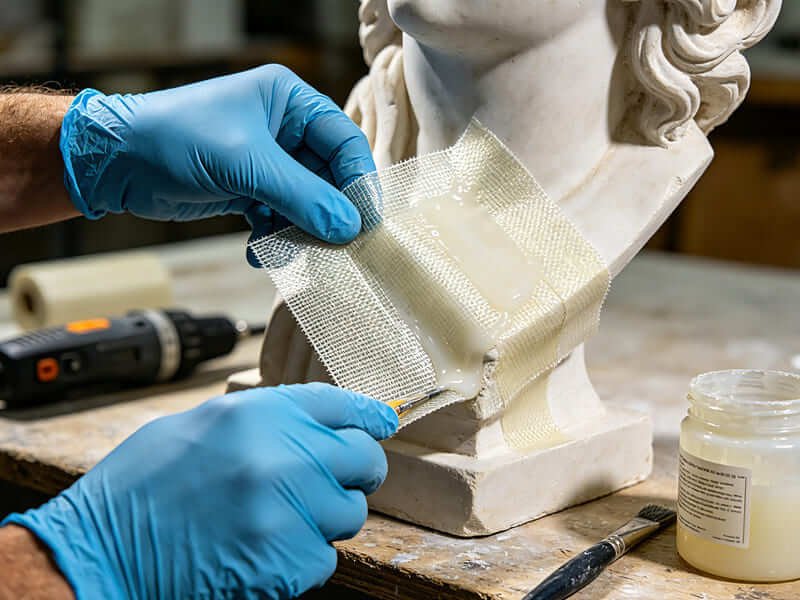
Accidents are an inevitable part of public life. A falling tree branch, a collision with a lawnmower, or even minor vandalism can cause damage. One of the most significant advantages of choosing the Custom Signage Factory for your project is that fiberglass is 100% repairable. Unlike stone, which is ruined if it chips, or metal, which requires a foundry to fix, fiberglass can be restored on-site to its original condition. Below is the technical workflow for the most common types of damage.
1. Repairing Surface Chips and Scratches
For small surface defects, we use a color-matched gelcoat putty. The area is first degreased with isopropyl alcohol to remove any oils. We then fill the chip with the putty using a small palette knife, leaving it slightly higher than the surrounding surface. Once cured, we sand it smooth using a progression of 400, 600, and 1200 grit paper. A quick spray of clear coat makes the repair invisible.
2. The Hairline Crack Fix (V-Grooving)
If you find a crack, do not just paint over it. You must perform a “V-groove” repair. Using a small rotary tool, carve the crack into a ‘V’ shape. This removes the damaged material and creates more surface area for the new resin. We then inject a high-strength Epoxy AB glue (never use standard super glue, as it is too brittle). For added strength, we mix in “chopped glass strands” which act like tiny rebar inside the repair. This prevents the crack from returning under thermal stress.
3. Restoring Structural Breaks
If a sculpture has suffered a major break—such as a snapped limb—the process involves internal reinforcement. We first align the pieces and secure them with temporary external clamps or internal stainless steel brackets. We then apply multiple layers of fiberglass cloth across the break on the inside of the shell (if accessible). If the break is only accessible from the outside, we grind down a wide area around the joint and build up new layers of fiberglass mat and resin. This creates a “structural bridge” that is often stronger than the original material. After the resin cures, we sand, prime, and repaint to match the original finish.
“Patience during the curing phase is critical. Rushing a repair before the resin has fully polymerized will lead to shrinkage and visible seam lines in the final paint job.”
10. Sourcing from Global Factories: The Buyer’s Master Checklist

For international buyers, the challenge isn’t just finding a manufacturer; it’s ensuring that the quality produced in the factory matches the vision in your head. Sourcing large-scale art across borders requires a rigorous vetting process. At the Custom Signage Factory, we provide full transparency to our global partners, ensuring that every crate that leaves our dock meets international safety and aesthetic standards. Use this checklist to evaluate your next supplier.
The Quality Assurance (QC) Trinity
A reliable factory must perform three distinct stages of inspection:
- IQC (Incoming Quality Control): Testing the chemical purity of the resin and the tensile strength of the glass fiber batches before production starts.
- IPQC (In-Process Quality Control): Checking the “Laminate Schedule.” This ensures that the correct number of layers are being applied and that air bubbles are being rolled out in real-time.
- FQC (Final Quality Control): The most important test is the “Cross-hatch Adhesion Test.” We score a small area of the paint and apply heavy-duty tape; if the paint stays on the fiberglass, the bond is perfect.
Understanding Global Logistics
Shipping a 10-foot statue isn’t like shipping a book. You must understand Incoterms. Most of our clients prefer FOB (Free On Board), where we handle the transport to the port, or CIF (Cost, Insurance, and Freight), where we cover the insurance until the piece reaches your home port.
Packaging is the most common point of failure. A professional factory will use “crane-ready” wooden crates with internal foam bracing and shock-indicator labels. If a supplier suggests shipping a large piece in just bubble wrap, walk away immediately. The cost of a custom crate is a tiny price to pay for the safety of a masterpiece.
| Sourcing Factor | What to Ask the Manufacturer | The Goal |
|---|---|---|
| Laminate Schedule | “How many layers of CSM and Woven Roving are used?” | Ensure structural thickness and impact resistance. |
| Resin Type | “Do you use Isophthalic or Orthophthalic resin?” | Ensure the sculpture is waterproof for outdoor use. |
| Paint System | “What brand of automotive polyurethane do you use?” | Guarantee 10+ years of UV color stability. |
| Internal Armature | “Is the internal frame galvanized or stainless steel?” | Prevent internal rust from bleeding through the art. |
11. Strategic Cost Analysis: Maximizing Your Investment
Budgeting for a sculpture involves more than the “sticker price.” At the Custom Signage Factory, we help our clients look at the Total Cost of Ownership (TCO). While a cheap “parade-grade” sculpture might save you $2,000 today, it could cost you $10,000 in repairs and repainting over the next five years. Professional-grade fiberglass is an asset that appreciates in value as your brand grows.
The Mold Factor and Volume Pricing
The single biggest expense in a custom project is the Master Model and Mold. This phase can account for 50% of the total project cost. However, once the mold is created, the “unit cost” of additional sculptures drops dramatically. This is why fiberglass is the preferred material for franchise mascots or city-wide art trails. If you are ordering more than five pieces, your per-unit savings can reach as high as 40%. Always ask your manufacturer if the mold is “archived” for future use, so you don’t have to pay the sculpting fee twice if you decide to expand your collection later.
Hidden Costs to Watch For
When reviewing a quote, ensure you have accounted for:
- 3D Modeling and Design Revisions: Turning your sketch into a printable file.
- Custom Export Crating: Essential for international sea or air freight.
- Import Duties and Taxes: These vary by country (e.g., Saudi Arabia vs. UK).
- On-Site Installation Support: Does the factory provide assembly drawings and anchoring templates?
Frequently Asked Questions
1. How do fiberglass sculptures compare to resin statues?
While they look similar, “resin statues” usually refer to smaller, unreinforced decorative pieces. Fiberglass (FRP) is a structural composite with an internal glass-fiber “skeleton,” making it much stronger and capable of reaching heights of 50 feet or more without breaking.
2. Can I get a realistic metallic finish that doesn’t look like paint?
Yes. Through a process called “cold-casting,” we mix real bronze or copper powder into the surface resin. We then buff it with metallic waxes and apply a chemical patina. It will look, feel, and even weather exactly like solid metal.
3. How do you anchor a large statue against 100 mph winds?
We engineer internal steel frames that bolt directly to a reinforced concrete foundation. We provide the “Anchor Bolt Template” to your local contractor so the ground is ready the moment the sculpture arrives.
4. Is fiberglass safe for high-traffic public areas?
Absolutely. It is non-toxic once cured, has no sharp edges, and is fire-retardant. It is the standard material for children’s play areas and interactive museum exhibits worldwide.
5. What is the average lead time for a 10-foot custom statue?
Typically, 8 to 14 weeks. This includes 2 weeks for 3D modeling, 4 weeks for sculpting the master model and mold making, and 4-6 weeks for layup, sanding, and the multi-layer painting process.
6. How long will the colors stay bright in the desert sun?
By using automotive-grade polyurethane paints with integrated UV absorbers, we guarantee that the colors will stay vibrant for 8-10 years before requiring a light clear-coat refresh.
7. Are these sculptures environmentally friendly?
Modern fiberglass manufacturing focuses on longevity. Because a GRP sculpture lasts 30 years instead of 5, the total environmental footprint is lower than that of disposable decorations. We also use low-VOC resins wherever possible.
8. Can you build a sculpture that includes lighting or water features?
Yes. We can integrate LED strips inside translucent sections of the fiberglass or install internal plumbing for fountains. Because the material is waterproof and non-conductive, it is the safest choice for mixed-media art.
Conclusion: Turning Imagination into a Durable Reality
We have explored the deep molecular chemistry of resins, the high-precision art of 3D modeling, and the rigorous maintenance protocols that keep landmarks alive. The conclusion is simple: fiberglass is no longer just an alternative material; it is the superior choice for the 21st century. It allows for a monumental scale that is lightweight, affordable, and incredibly resilient. From the “Instagrammable” brand mascots that drive retail sales to the serene garden sculptures that survive sub-zero winters, the fusion of engineering and art in fiberglass has no limits.
Success in your next sculpture project depends on choosing a partner who understands both the “science of the skeleton” and the “art of the skin.” By focusing on high-quality materials and professional-grade finishes, you ensure that your investment will inspire and captivate audiences for a lifetime. The world of sculpture is moving away from the heavy, fragile traditions of the past and into the flexible, durable future of composite materials.
At Custom Signage Factory, we take pride in being the bridge between your imagination and a physical masterpiece. Our team combines decades of industrial experience with a passion for fine detail. We don’t just build objects; we build legacies. Whether you are launching a global franchise or beautifying a private estate, we have the tools and the talent to make your brand stand tall.