What Is the Average Cost of a Channel Letter Sign? The Short Answer
While every sign is a custom project, it’s helpful to have a general idea of the financial landscape. Most channel letter sign projects fall somewhere between
$2,000 and $20,000. However, the “sweet spot” for many small to medium-sized businesses—think a single-tenant retail space in a shopping center—is typically in the
$4,000 to $8,000 range for a complete, professionally installed sign.
To give you a clearer picture, let’s break this down into practical pricing tiers.
| Pricing Tier |
Typical Cost Range |
Common Scenarios |
| Entry-Level |
$2,000 – $4,000 |
A simple, non-illuminated sign for an interior lobby, or a basic front-lit sign with a standard font for a small startup. Often uses a raceway mount. |
| Standard Professional |
$4,000 – $8,000 |
The most common choice. A front-lit illuminated sign for a standard retail storefront, featuring 12-18 characters at a 15″-20″ height, and may include a simple logo. |
| Premium |
$8,000 – $15,000 |
A larger sign with a complex font or logo, reverse-lit (halo) illumination, flush-mounted directly to the wall, or for a location on a multi-story building. |
| Enterprise / Custom |
$15,000+ |
Large-scale signage for major brands, intricate multi-color logos with combination lighting, use of premium materials like stainless steel, or complex high-rise installations. |
Why a “Price Per Letter” Quote Can Be Deceiving
You might hear some try to simplify the cost to a “price per letter,” but this is an unreliable shortcut. The reality is far more nuanced. A simple, 24-inch tall letter ‘I’ requires minimal material and fabrication time. In contrast, a 24-inch tall letter ‘S’ in a looping script font requires significantly more material and hours of skilled labor to bend and assemble. Add in factors like backlighting and custom colors, and you can see why a holistic, detailed quote is the only way to get an accurate price.
The 8 Primary Factors That Drive Channel Letter Sign Costs
So, what exactly are you paying for? The final cost of your sign is a sum of many parts. Let’s dive deep into the eight key factors that will have the biggest impact on your quote.
Factor 1: Size and Scale – The Biggest Cost Contributor
This is the most straightforward factor: bigger signs cost more. But the price doesn’t just increase linearly; it can grow exponentially.
- Letter Height: Taller letters require more aluminum for the returns (sides) and backs, more acrylic for the faces, and more LED modules to ensure even illumination. Doubling a letter’s height can nearly quadruple the material needed, leading to a significant price jump.
- Sign Length (Character Count): More letters mean more materials and more labor. A longer business name will also require a longer raceway (if used) and a more extensive installation process.
- Letter Depth (The “Return”): The “return” is the side of the letter. Standard depths of 3 to 5 inches are most common and cost-effective. If your sign requires a deeper return for structural integrity or a specific visual effect, expect the material cost to increase accordingly.
Factor 2: Design and Complexity – Where Art Meets Fabrication
Not all letters are created equal. The complexity of your design is a major labor-cost driver.
- Font Style: Simple, sans-serif block fonts (like Arial or Helvetica) are the most economical to produce. They involve straight cuts and simple bends. Conversely, serif fonts (like Times New Roman) and intricate script fonts demand far more precision, skill, and time to fabricate, which directly translates to a higher cost.
- Logos and Custom Shapes: Logos are not priced like letters. They are treated as unique, custom fabrications. A logo with multiple colors will require separate pieces of colored acrylic or digitally printed vinyl overlays. Illuminating these complex shapes evenly also requires more strategic LED placement and wiring, adding to the expense.
Factor 3: Illumination – Bringing Your Sign to Life
The decision to illuminate your sign, and how you do it, is one of the most critical cost factors.
- Non-Illuminated: The most affordable option. These are still three-dimensional signs but without internal lighting. They are a great choice for interior lobby signs, businesses that only operate during daylight hours, or in areas with strict lighting codes.
- Front-Lit (Standard): This is the industry workhorse. Light from internal LEDs shines through a translucent acrylic face. It’s the most common and cost-effective way to get a bright, highly visible illuminated sign.
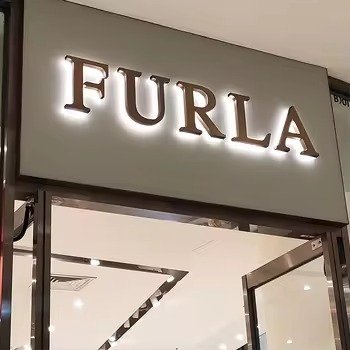
- Back-Lit (Halo or Reverse-Lit): This style creates an elegant “halo” of light around each letter. It’s achieved by using opaque metal faces and pushing the light out of the back of the letter onto the wall. This premium option costs more because it requires more complex mounting with standoffs and more precise installation to achieve a flawless glow.
- Combination-Lit: The ultimate in visual impact, these signs feature both an illuminated face and a halo effect. As they combine the fabrication processes of two different sign types, they are the most expensive option.
The Technology: LED vs. Neon
While classic neon still has its niche appeal, modern LED technology is the undisputed king of sign illumination for several reasons.
| Feature |
LED Lighting |
Neon Lighting |
| Energy Efficiency |
Highly efficient, using up to 80% less energy. |
High energy consumption, leading to larger electricity bills. |
| Lifespan |
Extremely long-lasting, often rated for 50,000+ hours (over 11 years at 12 hours/day). |
Shorter lifespan, requires more frequent maintenance and gas refills. |
| Durability |
Robust and resistant to shock and vibration. |
Made of fragile glass tubes that are susceptible to breakage. |
| Upfront Cost |
Moderate upfront cost with significant long-term savings. |
Often has a higher initial cost and ongoing maintenance expenses. |
In short, while LEDs might have a slightly higher initial component cost than some low-end alternatives, their incredible energy savings and minimal maintenance make them a far better long-term investment.
Factor 4: Materials and Finishes – The Foundation of Your Sign
The materials used to build your sign impact its appearance, durability, and price.
| Material |
Common Use |
Cost Impact & Durability |
| Aluminum |
Letter backs and returns (sides). |
The industry standard. Lightweight, strong, and rust-resistant. A cost-effective and highly durable choice. |
| Acrylic / Polycarbonate |
Letter faces. |
Used for illuminated signs. Comes in many colors and thicknesses. Polycarbonate is more impact-resistant but also more expensive. |
| Stainless Steel |
Letter faces and returns. |
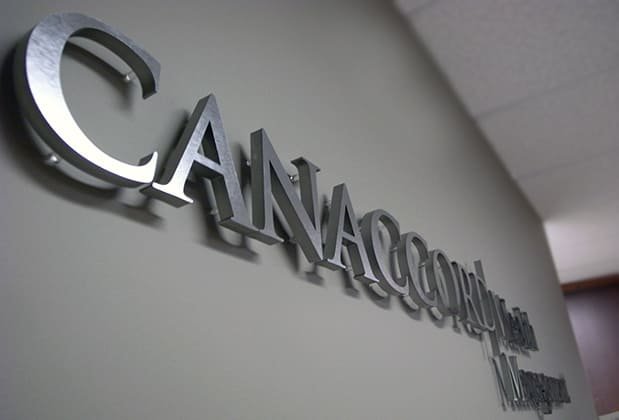
A premium, luxury option. Offers a sophisticated brushed or polished look but is significantly more expensive due to higher material cost and more complex fabrication. |
| Custom Paint / Vinyl |
Letter faces and returns. |
Standard colors are economical. Custom color-matching to fit your exact brand guidelines (e.g., using a Pantone color) will add to the cost. |
Factor 5: Mounting Method – Attaching the Sign to the Building
How your sign is installed has a major effect on labor costs and the final look.
- Raceway Mounting: This is the most common and practical method. The letters are attached to a metal box (the raceway) that houses all the wiring and power supplies. This entire unit is then mounted to the wall. It requires far fewer holes in the building facade, simplifying installation and reducing labor costs.
- Flush Mounting (Direct Mount): This method provides a cleaner, high-end aesthetic. Each letter is mounted individually and directly to the wall. While the look is seamless, the installation is far more complex and costly, as wiring for each letter must be run through the wall.
Factor 6: Installation – The Final, Crucial Step
Installation is not just an afterthought; it’s a significant portion of the total cost.
- A “Standard” Installation: This assumes a first-floor location with easy ground-level access, a simple wall surface, and a nearby electrical source.
- Factors That Increase Installation Costs:
- Height: Installing a sign on a second story or a high-rise building requires expensive equipment like a bucket truck or a crane.
- Accessibility: Obstacles like trees, power lines, or awnings can complicate the process and add to the labor time.
- Surface Type: Drilling into hard surfaces like brick, concrete, or stone takes more time and specialized tools than mounting on a simple metal or wood facade.
- Electrical Work: If a dedicated electrical circuit and junction box aren’t already in place, you’ll need to hire a licensed electrician, which is an additional cost.
Factor 7: “Soft Costs” – Permits, Administration, and Regulations
These behind-the-scenes costs are essential for a legal and successful installation.
- Sign Permits: Nearly all exterior commercial signs require a permit from the local city or county. The process involves submitting detailed drawings and site plans. Permit fees can range from a few hundred to over a thousand dollars.
- Design & Engineering: Your quote includes the time your sign company spends on design mockups, checking local sign codes, and managing the project. In areas with high winds or other special considerations, a certified engineer’s stamp may be required on the plans at an additional cost.
Factor 8: Geographic Location
Just like with housing, location matters. Labor rates, material costs, and transportation fees can vary significantly between a major metropolitan area like New York City and a smaller rural town. This regional difference will be reflected in your final quote.
Maximizing Your Return on Investment (ROI)
It’s crucial to stop thinking of your sign as an expense and start seeing it as a
capital investment in marketing. Your sign is your most hardworking employee—it works 24/7, never calls in sick, and is often the first “handshake” your business gives to a potential customer. The data backs this up:
- Attracting New Customers: According to the U.S. Small Business Administration, 20% to 45% of a business’s sales come from impulse visits, which are heavily influenced by signage.
- Brand Awareness: The International Sign Association (ISA) found that businesses can see a brand recognition increase of up to 70% with effective signage.
- Direct Sales Impact: A study by the University of Cincinnati revealed that 60% of businesses reported an increase in sales simply by changing or improving their sign’s design.
- Cost-Effectiveness: The ISA states that an on-site sign costs about 2 cents per 1,000 views, making it vastly more efficient than television advertising.
A high-quality channel letter sign is built to last 7 to 10 years or more, making its cost-per-impression remarkably low over its lifespan.
How to Get an Accurate, “Apples-to-Apples” Quote
To ensure you’re making a fair comparison between sign companies, you need to be prepared.
- Prepare Your Information: Have your vector logo file, brand color codes (if any), and photos and measurements of your building facade ready.
- Know the Rules: Check with your landlord and your local city planning department about any sign restrictions (size, type, color, etc.).
- Request Itemized Quotes: Don’t accept a single lump-sum price. Ask for a breakdown that separates the cost of the sign fabrication, permit procurement, and installation.
- Ask the Right Questions:
- What brand of LEDs and power supplies do you use, and what is their warranty?
- What thickness of aluminum and acrylic will be used?
- What does your warranty cover (parts, labor) and for how long?
Red Flags: How to Spot a Quote That’s Too Good to Be True
A surprisingly low quote can be tempting, but it’s often a sign of compromise. Cutting corners on a sign leads to long-term headaches.
- Cheap Components: Use of non-branded, low-quality LEDs that will dim, flicker, or fail prematurely.
- Flimsy Materials: Thin-gauge aluminum that can easily dent or deform in the weather.
- Poor Construction: Inadequate weather sealing can lead to moisture getting inside the letters, causing short circuits and failures.
- Lack of Warranty: A reputable company will stand behind their work with a solid warranty.
Remember the old saying:
you get what you pay for. A cheap sign that fails in two years is far more expensive than a quality sign that shines brightly for a decade.
Your Sign is Your Beacon: Investing Wisely
As we’ve seen, the cost of a channel letter sign is a detailed equation, not a simple price tag. It’s a tailored investment where size, design complexity, illumination style, and installation realities all play a crucial role. The key takeaway is that knowledge is power. By understanding these factors, you can move beyond the initial price and focus on the overall value—longevity, brand impact, and return on investment.
Navigating these choices can feel complex, but you don’t have to do it alone. The right sign partner acts as a guide, helping you balance your vision with your budget to create a sign that not only meets local codes but also becomes a landmark for your customers. A well-crafted sign is more than just a name on a building; it’s a beacon for your brand, signaling quality and professionalism to the world.
Ready to bring your vision to life? Contact our signage specialists today. We can provide expert guidance and a transparent, itemized quote to help you make an informed decision for your business’s future.
Frequently Asked Questions
What is the cheapest type of channel letter sign?
A non-illuminated sign made with standard block letters and mounted on a raceway will be the most affordable option. For illuminated signs, a standard front-lit sign is the most cost-effective choice.
Are illuminated signs worth the extra cost?
For most businesses, absolutely. An illuminated sign works for you 24/7, dramatically increasing your visibility after dark and on overcast days. This constant advertising often provides a rapid return on the additional investment.
How long does the entire process take, from design to installation?
The timeline can vary greatly depending on design approvals, permit processing times, and fabrication schedules. A typical project can take anywhere from several weeks to a few months from initial contact to final installation.
What kind of maintenance do channel letter signs require?
Modern LED channel letter signs are very low-maintenance. They may require occasional cleaning to maintain their appearance. The LED modules and power supplies are designed to last for many years without needing service.
Do channel letter signs come with a warranty?
Yes, reputable sign companies offer warranties that cover manufacturing defects in the sign structure as well as the electrical components like LEDs and power supplies. Be sure to ask for the specific terms and duration of the warranty.
Can I install a channel letter sign myself to save money?
It is strongly discouraged. Proper installation requires technical expertise, knowledge of electrical wiring, and adherence to local building and safety codes. A professional installation ensures your sign is safe, secure, and functions correctly, while also protecting your warranty.